


Understanding Plantar Fasciitis: Effective Treatments and Recovery Strategies in West Chester, Ohio

Heel pain can disrupt daily life, making simple activities like walking or standing uncomfortable. If you live in Southwest Ohio and have been struggling with persistent heel pain, you might be dealing with plantar fasciitis. This condition affects thousands of people and often resists quick fixes. Understanding why plantar fasciitis happens and how specialized treatments can help is key to lasting relief.
What Causes Plantar Fasciitis?
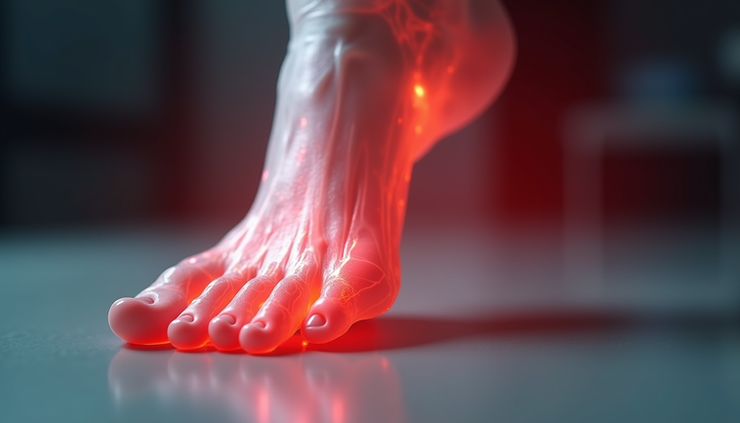
The plantar fascia is a thick band of connective tissue that runs along the bottom of your foot. This supports your foot arch and helps absorb and transfer force every time you walk, run, or stand. When this tissue is overloaded over time, it can become irritated, causing sharp heel pain, especially with the first steps in the morning or after long periods of rest.
Common symptoms include:
Sharp heel pain with first steps in the morning
Pain after sitting or resting
Aching in the heel after long periods on your feet
Pain that builds after activity, especially walking or running
What Causes Plantar Fasciitis?
Plantar fasciitis usually isn't caused by one single issue. It develops from a combination of movement patterns, load, and mechanical stress over time.
The most common drivers we see in our clinic:
Mechanical stress or overload from increased running, walking, jumping, or standing.
Weak intrinsic foot muscles
Limited ankle mobility
Calf tightness and Achilles restriction
Movement compensation
Sudden weight gain or obesity
Plantar fasciitis is not just a foot problem. The way your entire body moves can affect the stress placed on your feet. This is why many people find their heel pain keeps coming back despite home remedies.
Why Traditional Treatments May Not Be Enough
Many people try stretching, ice, or shoe inserts to ease heel pain. These methods can provide temporary relief but often do not address the root cause. For example, calf stretches help loosen tight muscles, but if your walking pattern or posture is off, the plantar fascia remains under strain.
Ignoring the whole-body connection can lead to recurring pain. That’s why a comprehensive approach is necessary for effective plantar fasciitis treatment in Southwest Ohio.
How Chiropractic Care Helps Heel Pain
Chiropractic care focuses on aligning the body and improving movement patterns. At Performance Health in Cincinnati, we can establish a plan for you that incorporates treating not just your symptoms but also your posture, gait, and foot mechanics to address the root causes of your plantar fasciitis.
Chiropractic adjustments can:
Reduce tension in the foot and ankle joints
Improve alignment of the lower limbs and pelvis
Enhance nerve function and blood flow to the affected area
Support natural healing processes
By addressing the body as a whole, chiropractic care for plantar fasciitis helps reduce pain and prevent future flare-ups.
The Role of DNS Exercises in Foot Pain Recovery
Dynamic Neuromuscular Stabilization (DNS) exercises focus on restoring proper muscle coordination and joint stability. These exercises retrain your nervous system to support healthy movement patterns.
For plantar fasciitis, DNS exercises can:
Strengthen foot and ankle muscles
Improve arch support and foot alignment
Correct imbalances that cause excess strain on the plantar fascia
Incorporating DNS exercises into your foot pain treatment in Cincinnati can speed recovery and build long-term resilience.
Dry Needling and Acupuncture for Heel Pain
Dry needling and acupuncture are effective complementary therapies for plantar fasciitis. Both involve inserting thin needles into specific points to relieve pain and promote healing.
Dry needling for heel pain targets tight muscles and trigger points around the foot and calf, releasing tension and improving circulation.
Acupuncture for plantar fasciitis stimulates the body’s natural painkillers and reduces inflammation.
Patients in Southwest Ohio have found these treatments helpful alongside chiropractic care and exercise.
Cupping Therapy as Part of a Holistic Approach
Cupping therapy uses suction cups placed on the skin to increase blood flow and relax muscles. This therapy can reduce stiffness and improve tissue healing around the heel and calf.
When combined with chiropractic adjustments, DNS exercises, and needling, cupping therapy supports a comprehensive plantar fasciitis treatment plan.

Practical Tips for Managing Plantar Fasciitis at Home
Along with professional care, you can take steps at home to support recovery:
Wear supportive shoes with good arch support and cushioning
Avoid walking barefoot on hard surfaces like concrete and hard floors
Use ice packs on the heel for 15-20 minutes after activity
Perform gentle calf and foot stretches daily
Gradually increase activity levels to avoid overloading the foot
Consistency with these habits helps reduce symptoms and complements clinical treatments.
Finding the Right Plantar Fasciitis Treatment in Southwest Ohio
If heel pain is limiting your mobility, seek care from a chiropractor in Cincinnati or a specialist offering a range of therapies like here at Performance Health in West Chester. A tailored treatment plan that includes chiropractic care, DNS exercises, dry needling, acupuncture, and cupping therapy can address the root causes of your pain.
Early intervention improves outcomes and helps you return to pain-free movement faster.
Heel pain does not have to control your life. Understanding plantar fasciitis and choosing a comprehensive treatment approach in Southwest Ohio can bring lasting relief. Take the first step by consulting a qualified chiropractor who can guide you through effective therapies and exercises designed for your recovery.


Comments