


Understanding Flat Feet: Are Orthotics the Only Solution for Arch Pain?

Flat feet are a common condition that many people discover during a routine checkup or after experiencing discomfort in their feet, knees, or back. Often, the immediate advice is to use orthotics for life. But is that the only answer? This post explores what flat feet really mean, when they cause problems, and how treatments beyond orthotics can help relieve arch pain and improve foot stability.
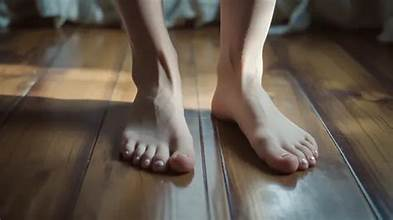
What is a Structural Arch vs. Functional Arch?
One of the biggest misconceptions about flat feet is that the shape of your arch determines whether your feet are healthy. While the structure of your foot is important, it's only one piece to the puzzle.
A structural arch refers to the natural shape of your foot when you're standing still. Some people are born with high arches, others have naturally low arches, and many fall somewhere in between. These differences are largely influenced by genetics, bone structure, ligament laxity, and development over time.
A functional arch describes how your foot behaves while you move. During walking and running, a healthy foot should be dynamic-- it should gently lower and become more flexible as it accepts your body weight, allowing it to absorb shock. As you move forward and push off the ground, the arch should naturally become more stable and rigid. Problems arise when the foot loses this ability to transition between flexibility and stability.
Flat feet, also called fallen arches, happen when the arch of the foot is lower than usual or appears to collapse when standing. This condition varies widely among individuals and can be classified into two main types:
Flexible Flat Feet
The arch is visible when sitting or standing on tiptoe but flattens when standing or walking. This type often relates to muscle control, movement habits, strength, and ankle mobility. It responds well to rehabilitation and movement-focused treatments.
Rigid Flat Feet
The arch remains flat regardless of position. This type is more structural and may need different management approaches.
Understanding the type of flat feet you have is important because it influences the best treatment options.
When Do Flat Feet Cause Problems?
Flat feet themselves do not always cause pain or issues. The real concern arises when flat feet affect how you move, leading to discomfort or injury. Common problems linked to flat feet include:
Arch pain or tenderness
Heel pain, often from plantar fasciitis
Knee, hip, or lower back pain due to altered gait
Shin Splints
Fatigue or instability during walking or running
These symptoms occur because flat feet can change the way your foot absorbs shock and supports your body weight. Over time, this can strain muscles, ligaments, and joints.
Are Orthotics the Only Solution?
Orthotics are custom or over-the-counter shoe inserts designed to support the arch and improve foot alignment. They can provide relief for some people by reducing strain and improving comfort. However, orthotics are not always necessary or the only solution.
At Performance Health in Southwest Ohio, many patients learn that improving foot function involves more than just arch support. Orthotics may help temporarily, but addressing the root causes often requires a combination of therapies.
At Performance Health, we focus on:
Rebuilding foot strength
Improving ankle mobility
Restoring balance control
Training proper movement patterns.
The goal is not dependence-- it's capacity.

Alternative Treatments for Flat Feet and Arch Pain
Chiropractors assess how flat feet affect your entire body, including posture and movement patterns. They use hands-on techniques to improve joint mobility and alignment, which can reduce pain and improve foot function.
DNS is a movement therapy that retrains your nervous system to stabilize joints properly. It focuses on restoring natural movement patterns and muscle coordination, which can strengthen the arch and improve balance. Instead of forcing the arch to "stay up," we train the entire system to support it naturally.
These therapies target muscle tightness and trigger points that contribute to pain and dysfunction. Dry needling uses thin needles to release muscle knots, while acupuncture stimulates specific points to promote healing and reduce inflammation.
Cupping helps increase blood flow and relax tight muscles around the foot and lower leg. This can relieve tension and improve mobility.
Corrective Exercises
Specific exercises strengthen the muscles that support the arch and improve ankle flexibility. Examples include:
Toe curls and scrunches
Heel raises and lowers
Ankle circles and stretches
Balance exercises on one foot
Consistent practice of these exercises can reduce pain and improve foot stability over time.
Practical Tips to Support Flat Feet
Choose supportive shoes with a firm heel counter and good arch support.
Avoid walking barefoot on hard surfaces for long periods.
Maintain a healthy weight to reduce stress on your feet.
Warm up and stretch before physical activity.
Listen to your body and rest if you experience pain.
When to See a Specialist
If you have persistent foot pain, difficulty walking, or pain spreading to your knees or back, consult a healthcare professional. A chiropractor or physical therapist trained in foot mechanics can provide a thorough evaluation and personalized treatment plan.
Final Thought
If you're dealing with flat feet or arch pain, the goal isn't just support-- it's restoring how your body moves from the ground up. Schedule an appointment today with Performance Health and we can help build a plan that can restore your movement.


Comments