


The Most Common Causes of Heel Pain & How to End It Safely
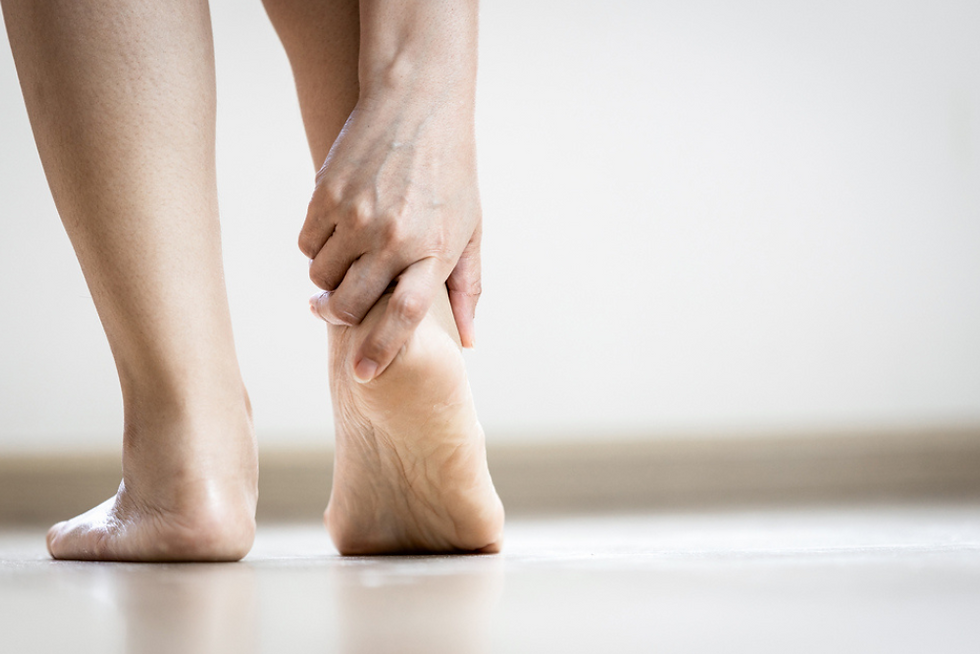
Heel pain can affect anyone, regardless of activity level, and disrupt daily life and overall function. Since our feet play a vital role in many everyday movements, including walking, which is typically essential for work, exercise, social activities, and more, heel discomfort can significantly impact our quality of life.
Whether your heel pain stems from a medical issue, regular improper movement patterns, foot structure, or other factors, we understand that relief is your top priority.
In this post, we’ll cover:
Common causes of heel pain
Tips to prevent heel pain
Natural remedies for heel discomfort
Chiropractic techniques to address the root of heel pain
And much more
Your comfort matters, so keep reading to discover how to build a healthier body that promotes heel stability and strength.
Why Does My Heel Hurt?
Heel discomfort can arise for various reasons; some are avoidable, while others may be tied to your daily habits or routine, making prevention difficult. Heel injuries often come with symptoms such as swelling, stiffness, and tenderness, which can interfere with everyday activities, so learning how to manage and avoid heel pain is important.
Some of the most common causes of heel pain include:
Improper movement patterns
Overuse from sports, physical activity, or occupation
Weight gain, including pregnancy
Inadequate shoe support, wearing poorly fitting shoes, or extended use of high heels
Prolonged standing
Trauma or accidents
These factors can lead to persistent or chronic pain and injuries such as:
Plantar fasciitis: Inflammation of the thick band of tissue that runs from the heel to the toes
Achilles tendinitis: Inflammation or degeneration of the Achilles tendon
Heel bursitis: Inflammation of the bursa near the heel
Arthritis: Chronic inflammation of the joints
Sprains or strains: Overstretching of soft tissues
If you're experiencing heel pain, seeking medical attention at the onset of symptoms is responsible, as it can minimize discomfort and the risk of getting a more serious injury. Early diagnosis and treatment can prevent complications and help you manage your pain effectively.
Tips to Avoid Heel Pain & Naturally Relieving Heel Pain if You Have It
Preventative care is key to maintaining a healthy body and avoiding heel pain.
Wear supportive & correct footwear
Choose shoes that offer good support, cushioning, and stability. Ensure a proper fit and replace worn-out shoes regularly. Limit the use of high heels, as they can put stress on your Achilles tendon and plantar fascia.
Incorporate stretching & strengthening exercises
Regularly stretch and strengthen your feet, calves, and Achilles tendon to improve flexibility and reduce tightness. Calf stretches, toe stretches, and heel raises are excellent exercises to promote foot health.
Maintain a healthy weight
Excess weight adds extra strain to your feet, increasing the likelihood of heel pain. Aim for a balanced diet and regular exercise to ensure you stay at a healthy weight, minimizing undue pressure on your feet.
Increase activity levels gradually
When starting a new exercise routine or increasing your physical activity, progress slowly to avoid overloading your feet. This allows your body to adjust appropriately and lowers the risk of heel pain and injuries that cause heel pain.
Always warm up and cool down
Prepare your muscles, tendons, and ligaments with a proper warm-up before physical activity. Afterward, incorporate a cool-down period with stretches to reduce the chance of soft tissue injuries that may affect the feet and heel.
These preventative steps can lower your risk of heel pain and promote long-term foot health; however, they can’t guarantee you never get injured.
If you experience heel pain and need fast, at-home relief, these safe remedies will help:
Remove your shoes
Rotate your ankles to ensure a good stretch throughout the entire foot
Rest and elevate the foot to discourage inflammation
Massage the foot and heel to remove pressure and tension
Ice the foot and heel to numb pain and reduce swelling
While these tips can help alleviate heel discomfort, they may not provide a permanent solution. By partnering with your local chiropractor, you can identify the root cause of your pain and receive tailored treatment for long-term relief.
Visit Our West Chester Chiropractic Clinic for Lasting Heel Pain Relief & Prevention
At our West Chester chiropractic clinic, we have successfully helped many patients identify the root cause of their heel pain and treat the underlying condition. By taking a holistic approach to care, our team pinpoints areas of injury and imbalance, recognizing that optimal body function is essential for healthy movement and lasting comfort.
We provide several chiropractic services to ensure you get the best results.
Our chiropractic services to treat heel pain at the source include:
We implement a unique wellness strategy for each patient based on injury, needs, and abilities. We also provide guidance and education on how to better protect the body.
Don’t wait any longer to get the comfort you deserve. If you’re ready to find relief from your heel pain, contact our clinic today, and let’s get started.


Comments